
What do people PREDICT for 2026?
Every year, Core Research speaks to 1,000 adults across Ireland, carefully selected to represent the nation as a whole. We ask people to look ahead - to share what they expect for the world, for Ireland, and for their own lives in the year to come.
From housing and health to retail habits and personal relationships, PREDICT reveals the issues the public care about most, and the expectations shaping their hopes and fears for the future.
This isn’t trend-spotting based on anecdotes or hunches. It’s grounded, rigorous listening: real data from real people, telling us where confidence is rising, where concerns are deepening, and where change feels possible.
By analysing these public predictions, Core gives organisations a clear evidence base for smarter communication strategies - ones that resonate with people’s lived realities, align with the future they want, and uncover new opportunities for brands to grow.

MACRO MAP
The Big Picture Predictions
How interested are people in various events or predictions happening in 2026 - public interest % from bottom to top - and the extent to which people predict these events will actually occur - public prediction % from left to right.
Click on each dot to reveal more information.
Affordability Concerns Dominate
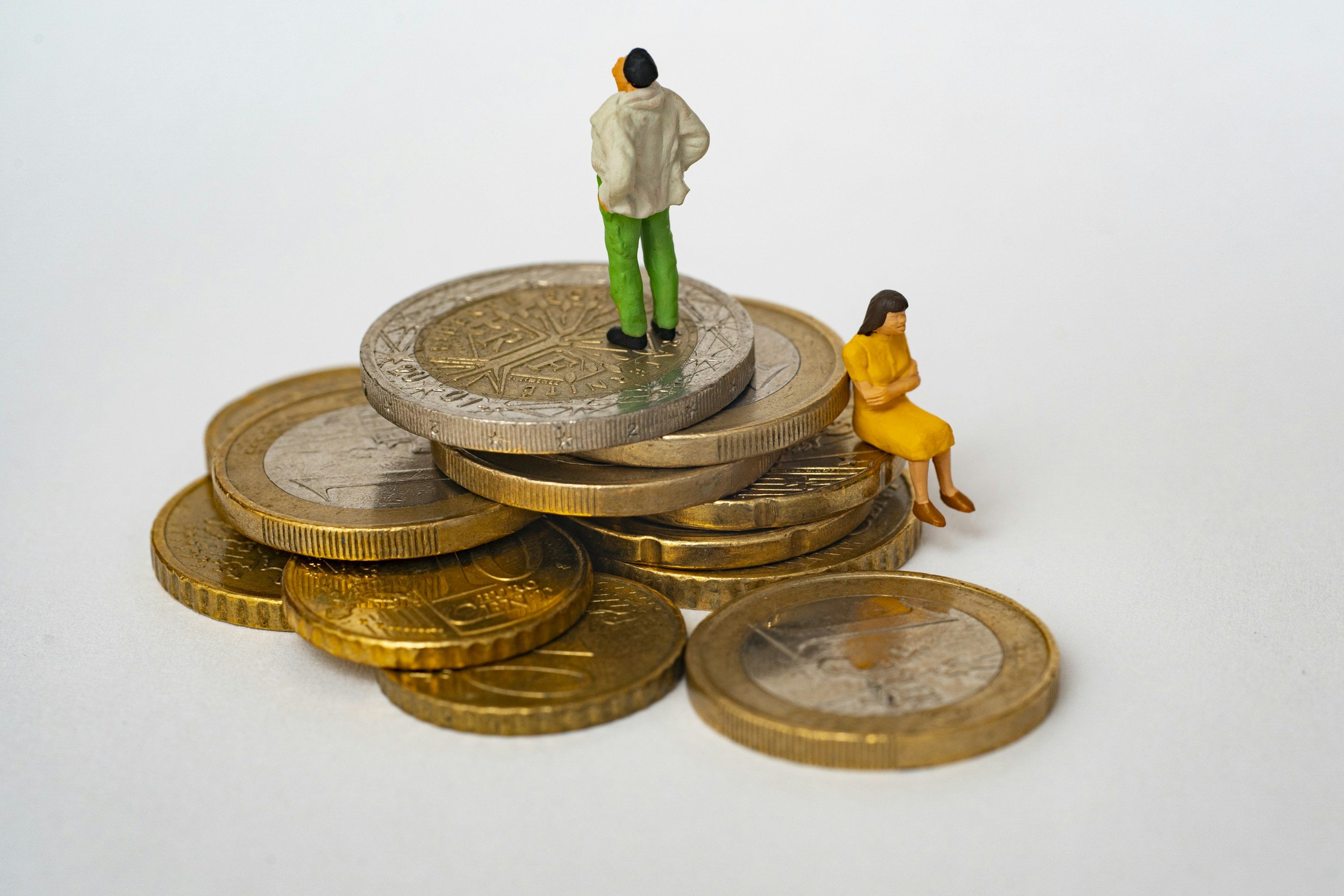
Public sentiment toward the Irish economy weakened through 2025, and people are heading into 2026 with clear unease. Personal finances may feel manageable for many, but the national mood signals strain. The cost of living is the standout issue: 71% want to see costs ease, yet only 26% think it will, showing a public that feels financially squeezed and doubtful that relief is coming.
This anxiety shapes wider economic expectations. 57% are watching recession risks, and 52% believe Ireland will enter one in 2026, despite forecasts of modest growth. Interest in corporate tax remains mixed - 44% are tracking it, while 64% think revenues won’t fall, reflecting concerns about the tech sector and global reforms.
AI adds further uncertainty. 38% are interested in its economic potential, but only 36% believe it will deliver. Instead, many expect disruption: 42% are following AI workforce shifts, and 57% predict changing roles or job losses. Overall, the public is preparing for a volatile year ahead.
-
Show consumers how your brand helps them stretch, save or simplify - not just through price, but through durability, flexibility, and smarter solutions that reduce everyday financial pressure.
-
In a climate where half the country expects recession, create pathways that feel safe: try-before-you-buy, pause-anytime plans, modular products and transparent pricing that reduce commitment anxiety and build trust.
-
With the public braced for job disruption, position your use of AI as human-guided, service-enhancing and customer-benefiting. Make technology feel like support, not substitution - a tool that gives people more control, not less.
What People Told Us
“I hope we can get the cost of living crisis significantly down. I hope to move out of grandparents house, get my own place for me and my son”
— Woman, 32 years old.
“I hope that we don't go in to a recession and people can afford to get on to the property ladder.”
— Man, 46 years old.
“I would really hope the price of food and electricity will drop significantly because its causing some people a lot of distress and making them struggle week from week because of the growing price rises.”
— Woman, 59 years old.
Between Pressure and Possibility:
Ireland’s Social Crossroads in 2026
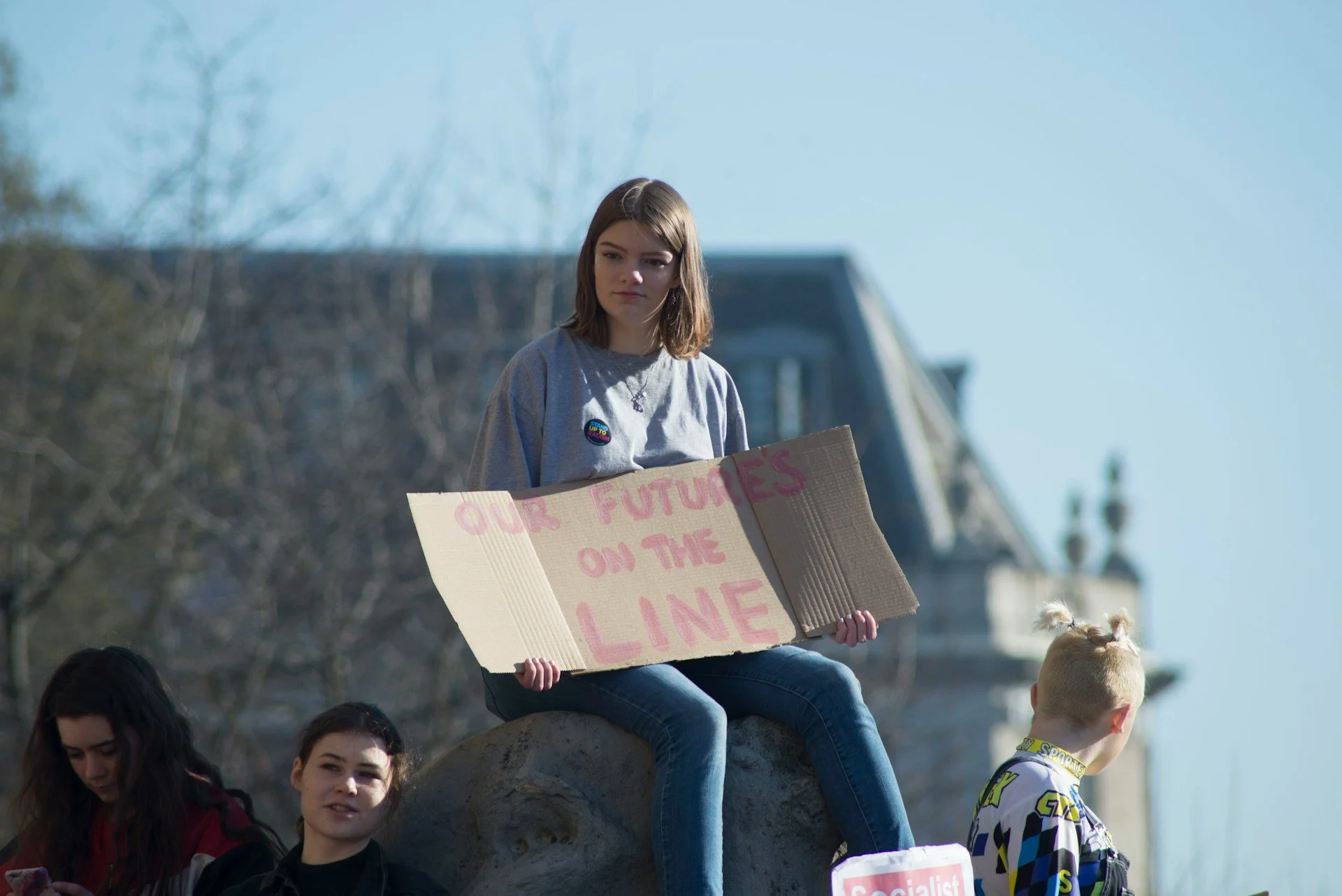
Ireland enters 2026 with social tensions running high and expectations pulling in different directions. Housing is the flashpoint: 61% want better affordability, yet only 28% think it will improve.
Public pressure is set to rise, with 56% interested in more housing protests and 68% expecting them to increase, signalling a year of growing frustration.
Migration is also deeply charged. 60% believe migrants will face greater barriers, and 64% expect attacks on migrant communities to continue, reflecting real anxiety about misinformation and local tensions. Yet there is still a quieter hope for compassion - 41% want communities to welcome and support migrants, even if few believe this shift will happen soon.
Culturally, Ireland is moving on two tracks at once. 48% are interested in a revival of Irish arts and culture, and 44% think it will take hold. At the same time, 50% believe conservative traditions will gain value, with 43% expecting that trend to grow. Together, these forces show a nation navigating pressure, identity and the possibility of renewal in 2026.
-
In a year marked by tension around housing and migration, brands can win trust by spotlighting shared experiences, local resilience and community connection - positioning themselves as calm, constructive forces rather than contributors to division.
-
With consumers expecting both a revival of Irish creativity and a rise in traditional values, brands can blend heritage with modernity - elevating Irish arts, language and makers while anchoring campaigns in authenticity, continuity and belonging.
-
With many hoping for a more welcoming society but doubting it will happen, brands can fill the gap by backing real initiatives - skills programmes, inclusive community partnerships, or storytelling that humanises rather than polarises - showing leadership where people expect inaction.
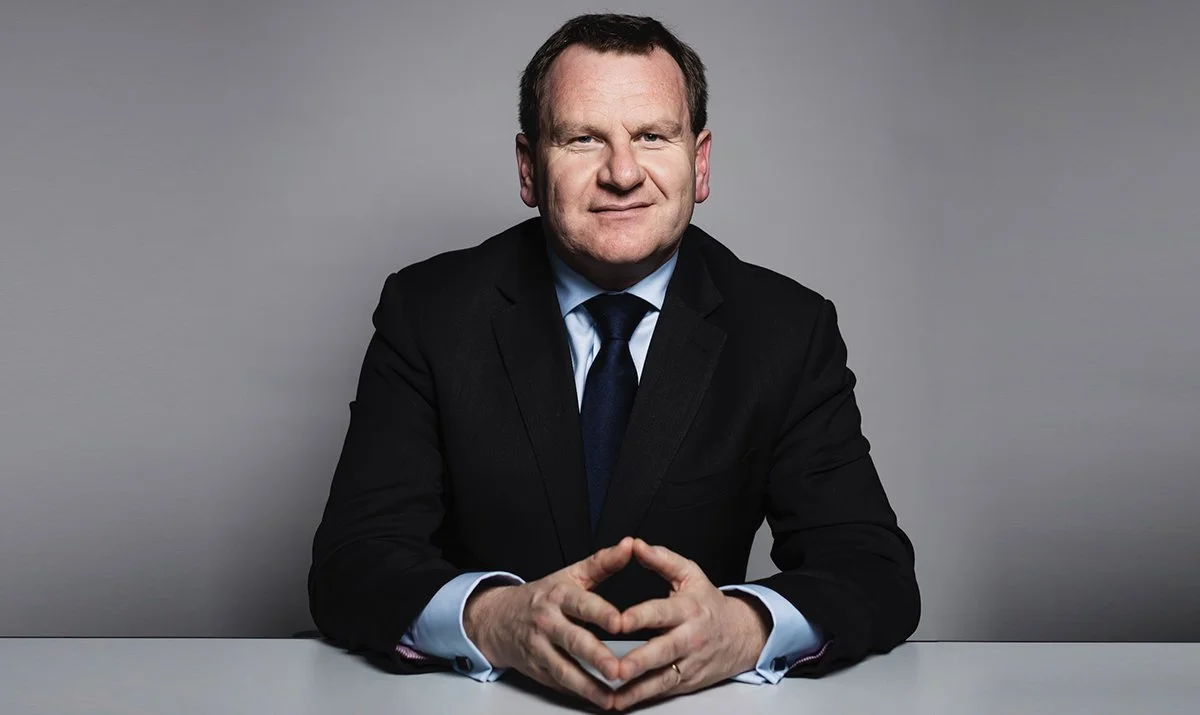
Danny McCoy, CEO, IBEC:
Intolerance is an evil that threatens Irish society, and our prosperity too
“The us versus them ideology is the antithesis of the collaboration required for a modern economy. Our economic model thrives because we effectively merge our strong homegrown talent pool with leading international expertise, fuelling economic growth.”

Public Predicts Political Volatility at Home and Abroad in 2026
As Ireland enters 2026, political expectations are defined by global turmoil and domestic uncertainty. The conflict in Gaza looms large, with only 35% believing a ceasefire will hold, feeding into wider distrust in global systems. Anxiety is further heightened by 56% predicting more political assassinations and global violence, signalling a public braced for instability.
At home, confidence in political direction is equally low. Interest in a left-leaning alliance is notable, but only 36% see it as a credible option, and belief in the current coalition is similarly muted, with just 37% expecting Fine Gael and Fianna Fáil to govern well together. The sense of political ambiguity is widespread.
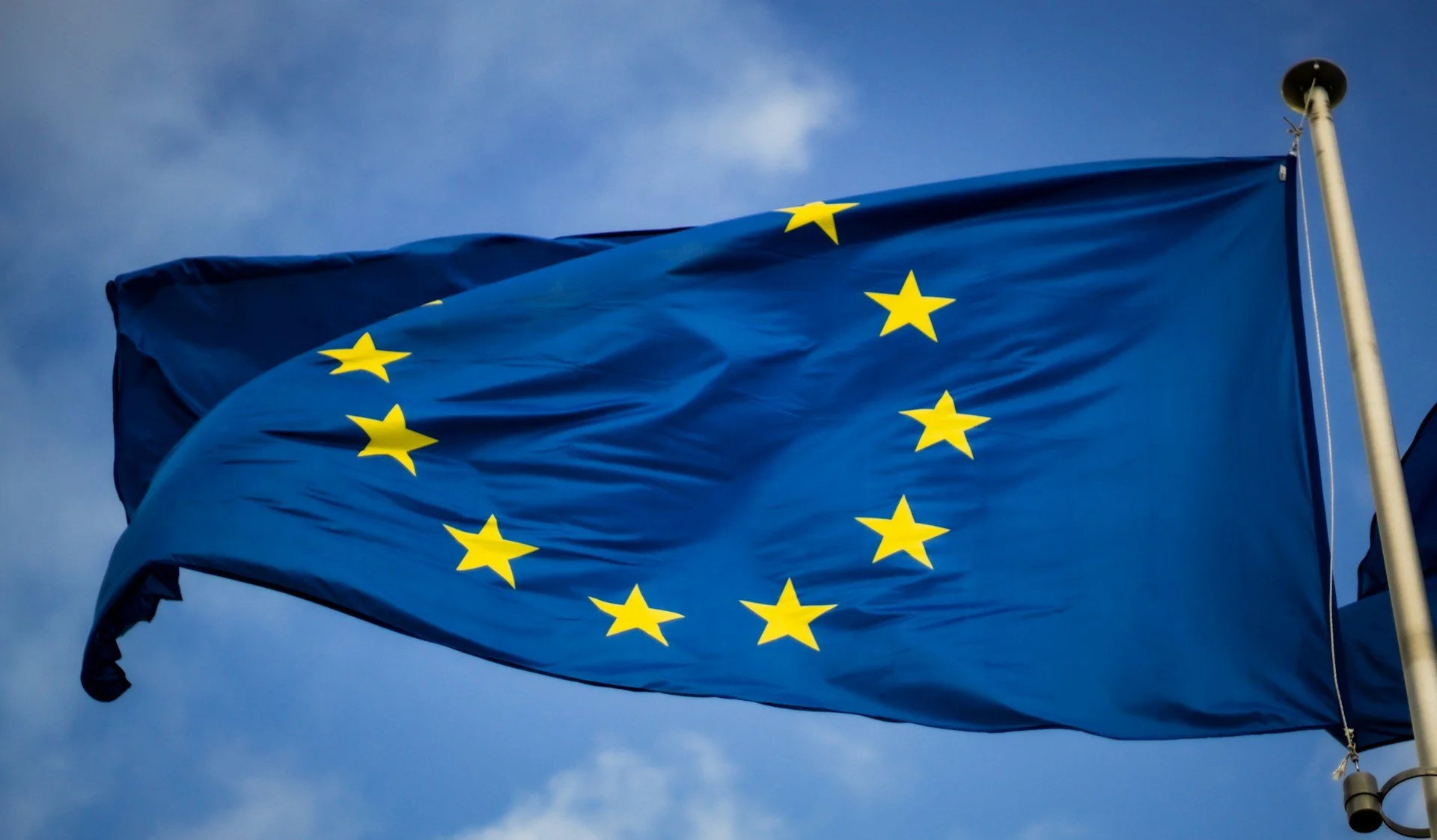
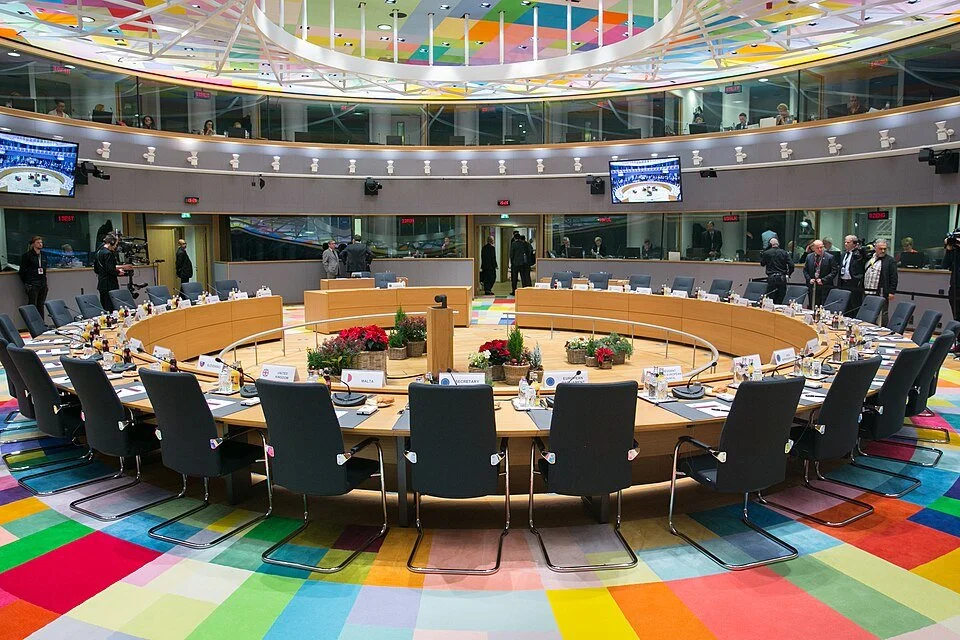
Looking to Ireland’s EU Presidency, expectations remain subdued. Only 32% believe Ireland will show strong leadership, reflecting a cautious national mood. Overall, the public anticipates a year where political systems - global and domestic - struggle to deliver clarity, stability, or meaningful progress.
-
With people bracing for global and domestic instability, brands that communicate with consistency, calm and clarity become anchors of reassurance - offering the predictability the public are looking for.
-
Low confidence in leadership creates space for brands to stand out by being open about decisions, values and commitments. Clear explanations, honest updates and evidence-backed claims signal integrity in a climate of doubt.
-
Rather than leaning into political divides, brands can highlight the issues people agree on - universalism, wellbeing, fairness, compassion - using campaigns and partnerships that unite rather than polarise, and positioning themselves as contributors to national progress.
What People Told Us
“I hope the extreme global nationalism and general lunacy being fuelled by social media and big tech corporations will somehow lose momentum and quickly recede and good, reasonable people will take leadership.”
— Man, 26 years old.
“People will be willing to look beyond the superficial information available and make considered decisions.”
— Woman, 52 years old.
“The AI bubble will pop resulting in a massive decrease of AI being used to replace workers and a reduction of misinformation being spread by people asking ChatGPT/Grok/Google AI/other AI chatbots.”
— Man, 32 years old.


Truth, Tech, and Turbulence: How the Public Expects Media to Shift in 2026
Ireland’s expectations for technology and media in 2026 revolve around truth, trust and rapid disruption. Many want higher standards in journalism, but only 36% believe reporting will become less opinion-driven, signalling deep scepticism. Confidence in oversight is also limited: despite interest in regulation, just 42% think social platforms will face stricter rules next year.
AI, however, is viewed as unavoidable. 57% believe AI-generated content will become a major source of online news, and concerns about misinformation remain high, with 40% expecting someone they know to share false or conspiracy content. The sense of an unstable information environment is clear.
Elsewhere, expectations are modest. Only 23% think parents will stop buying teens mobile phones, and 36% expect Irish media to become more diverse and inclusive. Overall, the public sees 2026 as a year where tech change outpaces regulation, and where questions about truth and trust remain wide open.
-
With doubts about fact-based reporting and rising misinformation, marketers should double down on authenticity, verification and source transparency. Clear proof points, behind-the-scenes clarity and consistent truth-first storytelling make your brand a trusted port in a chaotic media tide.
-
As people expect AI-generated news to dominate, the opportunity is to elevate your content by pairing smart automation with visible human oversight. Highlight your editorial standards, ethical guardrails and human creative leadership to stand apart from the noise.
-
With low faith in regulation and modest expectations for media inclusivity, brands can build their own credibility by championing diverse voices, moderated communities, and high-quality information environments where people feel informed, not manipulated.
Curious?
Contact Core Research to learn more about this study and how it can inform your plans for 2026.
Simply share your details and a member of the team will be in touch.