
Consumer Mindset - April 2026 (updated)
Core Research’s latest Mindset study, based on fieldwork with 1,000 adults in early April, captures a shift that is becoming harder to ignore: global instability is now landing directly in people’s personal finances.
April Mindset version 1.0 was published on 16 April 2026.
This is the updated version with more commentary.
Same Squeeze, Different Degrees of Freedom: the real divide in Ireland isn’t where we live, but how much agency we feel we have
In the first version of Core Research’s April Mindset report, we highlighted a divergence between rural and Dublin opinion on the Government’s handling of the cost-of-living situation. Hours after publication, these findings were discussed on the Path to Power podcast by Matt Cooper, alongside Áine Kerr and former Taoiseach Leo Varadkar, bringing wider political and public attention to the idea of a growing rural–urban divide.
In this update, we revisit that question: is this divide real, and how meaningful is it?
Dissatisfaction with Government is widespread, though more pronounced in rural areas compared to Dublin. Financial strain is also felt more acutely outside cities, a pressure that recently surfaced with the fuel protests. These events were likely viewed differently by commuters travelling the N11 into work in Dublin City Centre than by communities more directly affected, raising a broader question of agency: to what extent do people in Ireland feel they can influence how the country is run?
Our findings suggests that at an individual level, most people feel they retain some control in their day to day lives. They can watch their weekly spend, cut back on non-essentials and this gives them some autonomy in their daily ongoings. But when it comes to shaping larger systems, there is a shared sense of limitation across both rural and urban populations.
Where experiences differ is in the nature of economic pressure. Rural households are more exposed to fuel costs and potentially less insulated from economic shocks, whereas housing shortages and high mortgage repayments and rental prices take up more mind space among the average urban dweller Despite these differences, people across Ireland express similar levels of personal autonomy and broadly aligned expectations of public services.
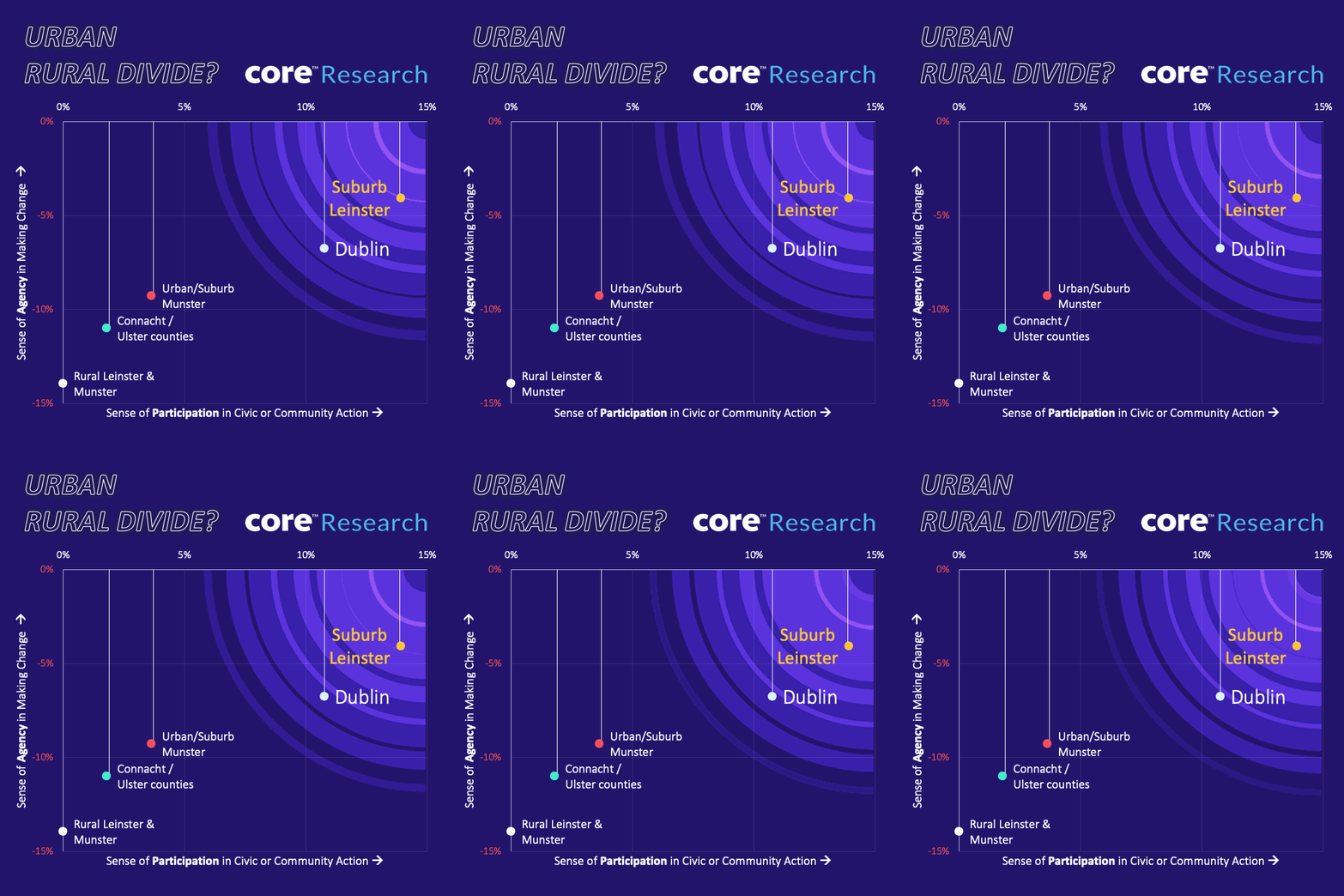
So where does the divide truly lie?
Perhaps it is in the different levels to which we feel empowered to enact change. Those in rural Ireland feel less empowered and believe less in their ability to change things, while those in urban areas feel more control over external factors, whether this is fallacy or fact is up for debate. Region seems to not decide the beliefs of people in Ireland but rather assists us in defining our own role in the machine. We all have a similar vision of what we want and feel the system isn’t working for us yet somehow feel divided.
In that sense, people in Ireland may be more united than it appears: aligned in frustration, similar in outlook, but divided in how much influence people believe they have. Paradoxically, that shared disillusionment could yet become a unifying force for change.