
Fake Websites Are Making Irish Consumers More Cautious Online
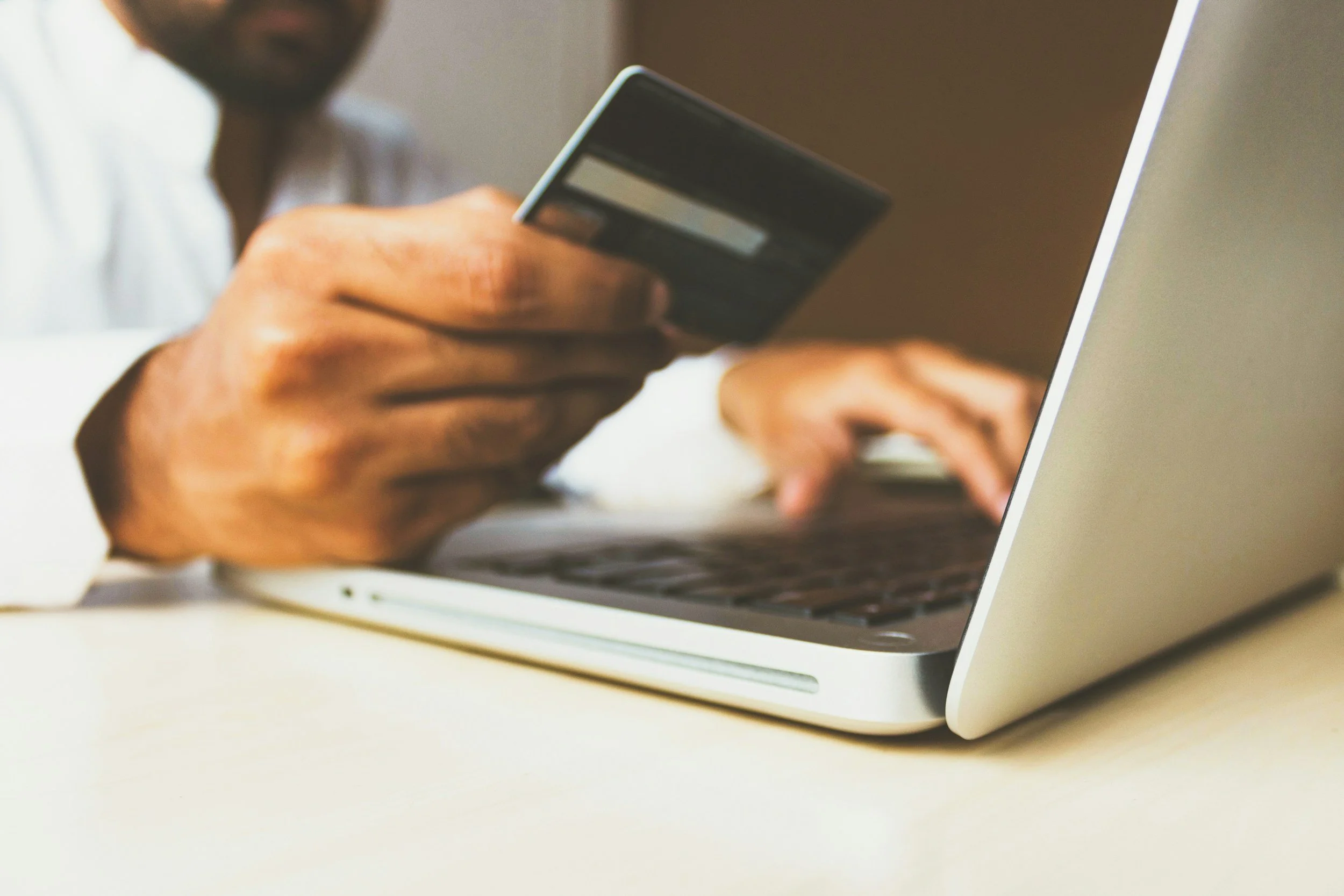
More than 200 fake websites were used to target Irish consumers with scams last year. The sites were designed to imitate trusted retailers and services, making it increasingly difficult for people to tell the difference between a genuine business and a scam.
The issue reflects a much wider trend. Recent research from FraudSMART and Wise found that the majority of Irish adults were targeted by scam texts, emails, fake ads or calls over the past year. What makes this wave different is how convincing the scams have become. Fraudsters are no longer relying on badly written messages or suspicious-looking websites. Many now use professional designs, cloned branding and targeted social media advertising to appear legitimate.
Consumer watchdogs such as the Competition and Consumer Protection Commission (CCPC) have repeatedly warned shoppers to be cautious when buying through social media ads or unfamiliar websites. Simple details like checking a URL, looking for secure payment systems or verifying reviews are becoming more important than ever.
The rise in fake websites is also changing how people behave online more generally. Consumers are becoming more cautious about clicking ads, sharing payment details or trying unfamiliar brands. That hesitation could slowly reshape expectations around digital experiences, with trust and transparency becoming just as important as price or convenience.
For brands, this creates a more challenging online environment. Businesses may find that customers now expect stronger proof of credibility before making a purchase, especially in crowded digital spaces. In the long run, companies that can build trust consistently through clear communication, secure platforms and reliable customer experiences are likely to stand out more than ever.
Sources: