
Global Black Friday Sales Trends
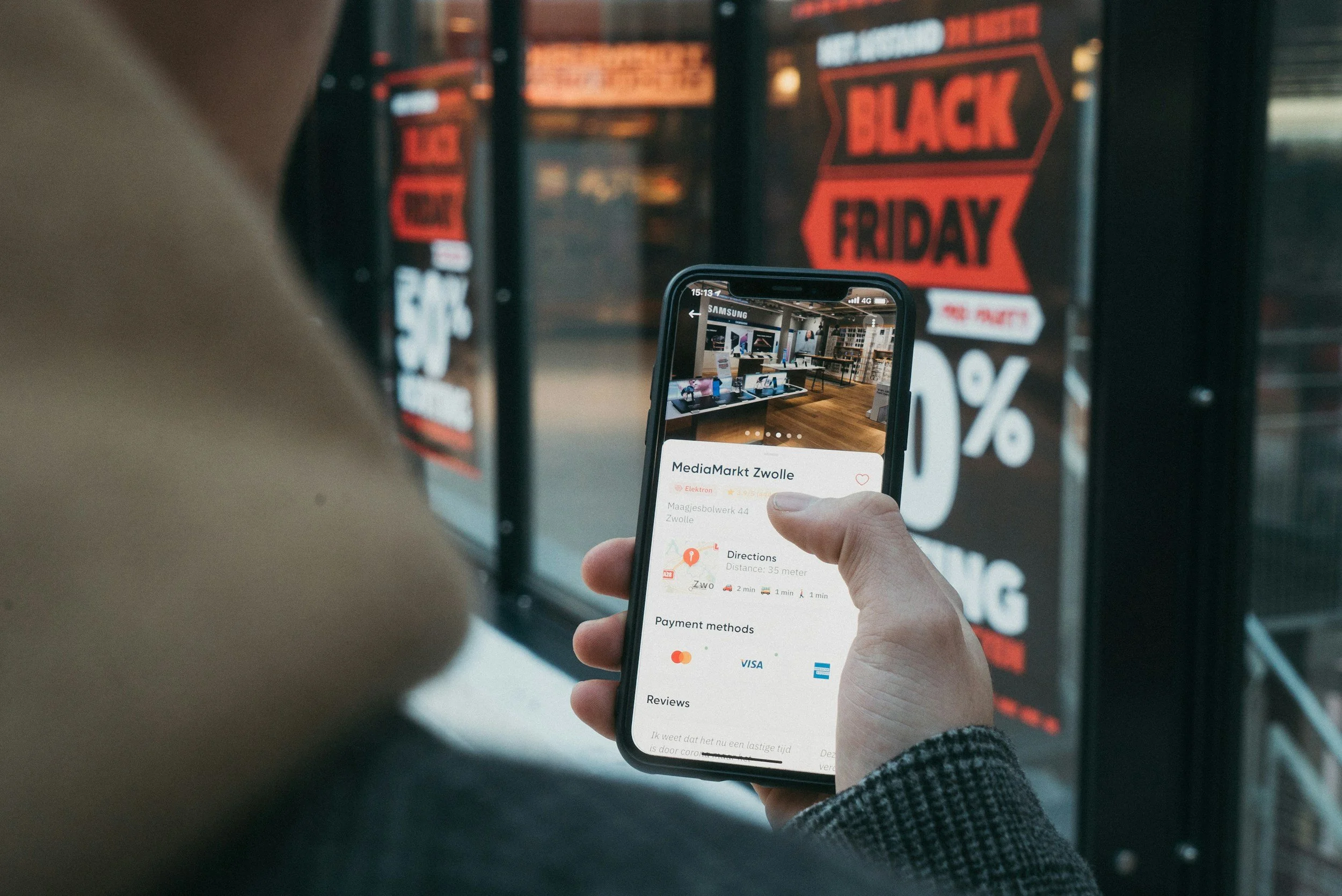
Black Friday spending has shifted far beyond a single day, becoming a prolonged shopping period that’s harder to interpret in today’s strained global economic environment. Once designed as simple volume-boosting promotions, shopping holidays grew into major e-commerce engines for platforms like Amazon and Alibaba, especially during years of low interest rates and high consumer confidence.
But conditions have changed: costs for both households and businesses remain high, and shoppers are behaving more cautiously. As a result, the most meaningful insights now come not from total spending—which can be inflated by rising prices—but from shifts in how consumers actually shop.
This year’s signals paint a nuanced picture. In the U.S., Mastercard SpendingPulse reported a 4.1% rise in Black Friday retail sales, while online sales grew 10.4% year over year. Yet Salesforce data shows order volumes slipping by 1% as average selling prices increased and units per transaction declined. Globally, Salesforce estimates AI “influenced” $14.2 billion of sales—evidence of a major change in how people search, compare, and decide on products. Similar modest growth trends appeared in Europe, Brazil, and Australia, suggesting inflation rather than expanding demand drove many results.
Research also shows that liquidity pressures are pushing shoppers to plan earlier, with some holiday buying pulled into October. The era of impulsive holiday splurges is fading, replaced by longer value-hunting cycles.
What this means for us
For advertisers, these shifts matter. Longer promotional windows complicate campaign timing and budgets, while AI-driven product discovery disrupts traditional SEO and paid media approaches. More cautious, early-planning consumers also push advertisers to rethink funnels, loyalty tactics, and value-led messaging. The holiday season is no longer driven by impulse—it is driven by influence.
Source: WARC