
The EU’s New Plan to Reshape Social Media for Young Users
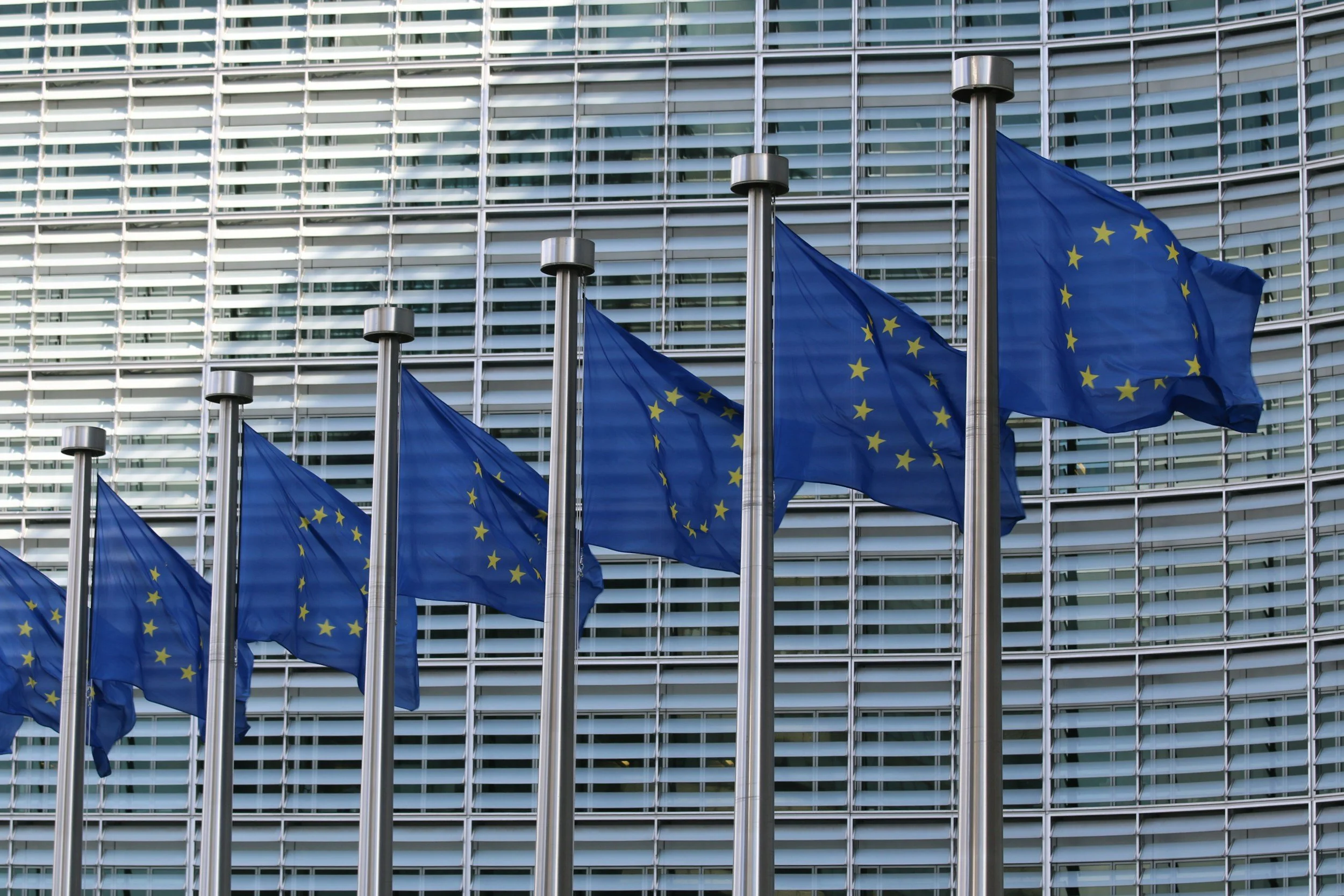
The European Commission has proposed new rules that would significantly change how children and teenagers access and interact with social media platforms across Europe.
Announced by Ursula von der Leyen, as part of the proposed Kids Act, the measures would prevent children under the age of 13 from accessing social media accounts, while teenagers aged 13-15 would only be allowed to use parent-supervised accounts, with restrictions on certain features and screen-time. For 15-18 year olds, platforms would face new “safe design” requirements that aim to limit and minimise exposure to harmful content or addictive features. The proposals come amidst growing concerns regarding children’s safety online and draw inspiration from similar legislation already introduced in Australia.
Under the proposed framework, social media companies would be more responsible for protecting younger audiences through age controls, parental supervision tools and safer product design. The move signals a shift away from self-regulation and towards a model where platforms must demonstrate that their services are appropriate for younger users before they can be widely accessed.
For Core clients, there is unlikely to be an immediate impact, but the proposals are another indication of the direction of digital regulation in Europe. Platforms with large younger audiences, like Instagram, TikTok and Snapchat could face new requirements around age verification features, parental controls and how their platforms are managed and designed for addictive and potentially harmful content. For brands advertising on these platforms, this could mean changes to how younger audiences are reached and targeted. In general, it highlights the need for brands to keep up with regulatory changes as the digital landscape continues to evolve.
Source: RTÉ